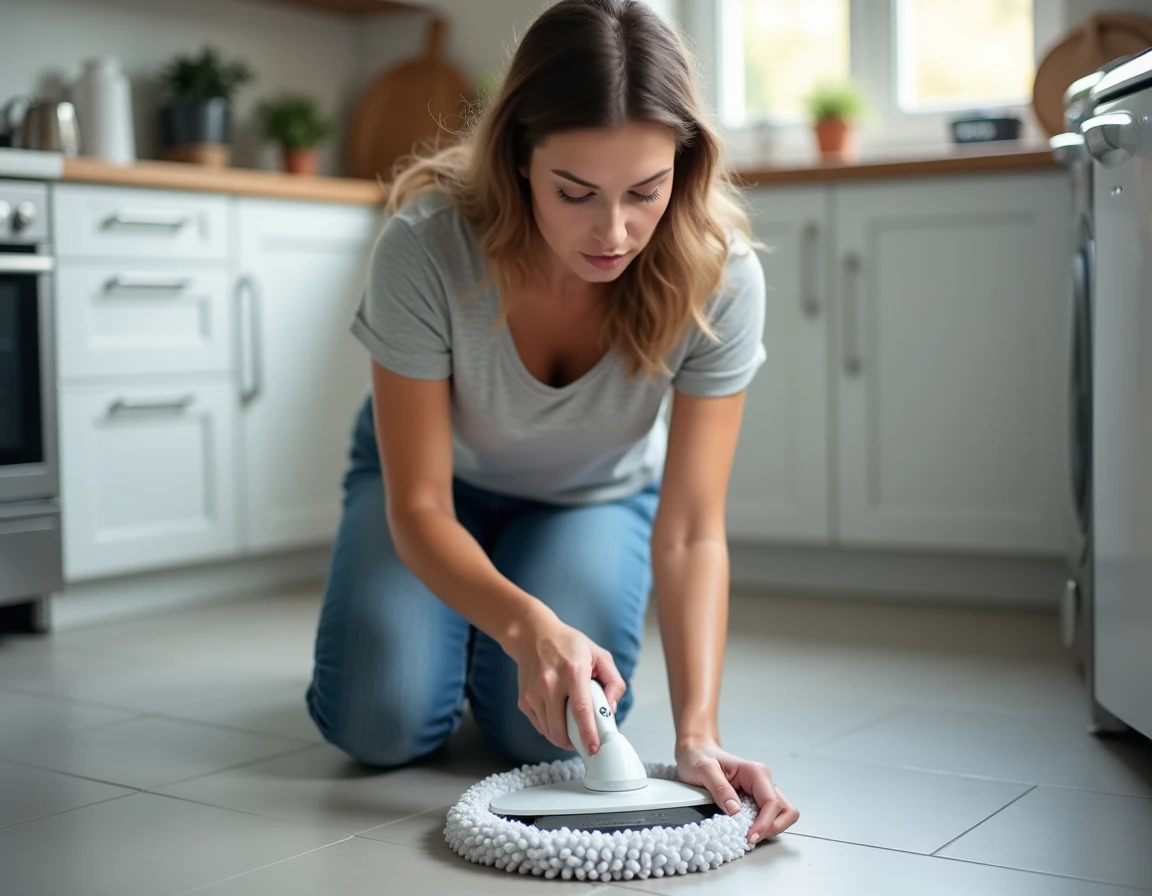
On classified ad sites, the Silvercrest steam mops from Lidl regularly appear at attractive prices. The problem is that a device that turns on does not guarantee that it works properly. Some models have even been subject to product recalls due to burn risks or steam leaks, which complicates the evaluation when buying second-hand.
IAN Code and Silvercrest Product Recalls: The Check No One Does
Before testing anything, we turn the device over. On the label stuck under the body of the steam mop, the IAN code precisely identifies the manufacturing series. This number allows us to cross-reference with the recall notices published on RappelConso and on the European Safety Gate portal (formerly RAPEX).
Several series of Silvercrest steam mops sold at Lidl have been recalled between 2023 and 2025 for defects related to steam leaks or burn risks. If the IAN code of the device for sale matches a recalled batch, we walk away, even if the seller claims to have never had any issues.
We can also identify problems with the Lidl steam mop by asking for the year of purchase and cross-referencing it with official alerts. A seller unable to provide this information or the original proof of purchase significantly reduces the traceability of the device.
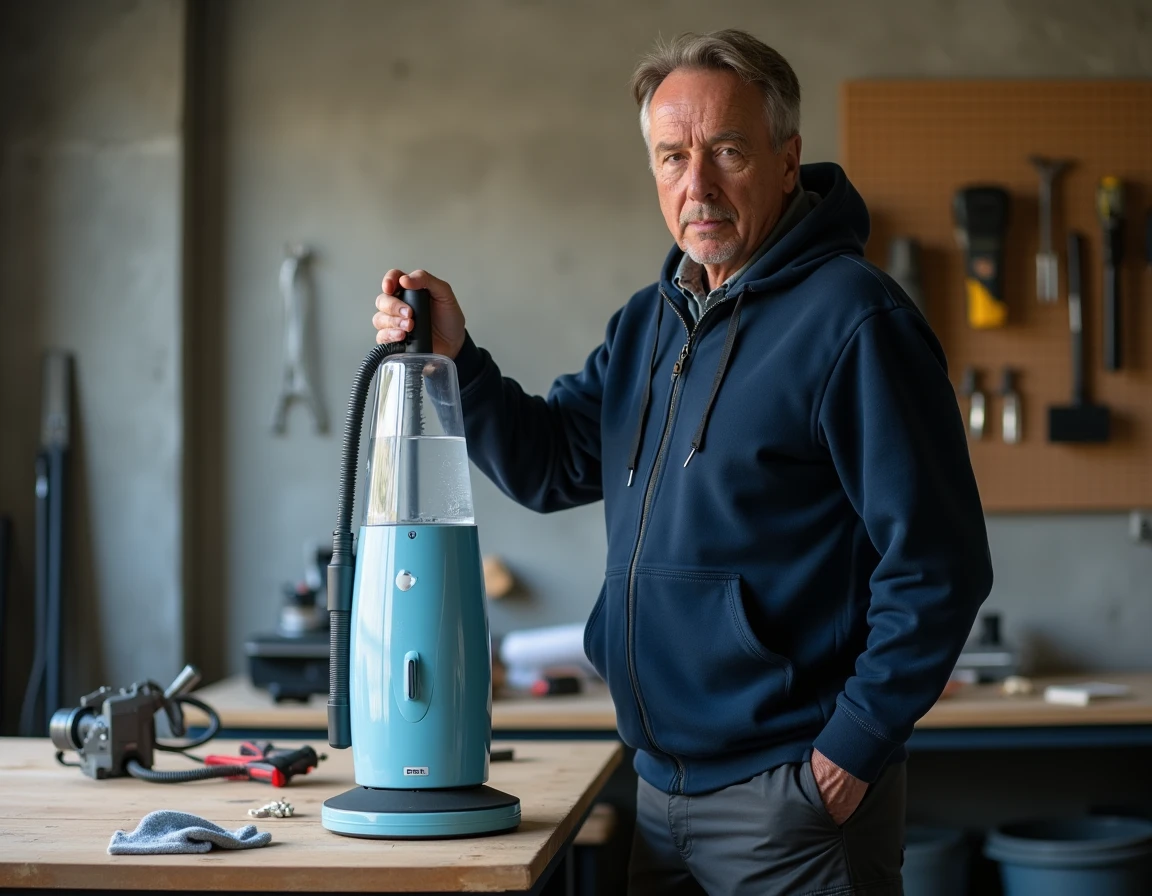
Seals and Hose of the Silvercrest Steam Mop: The Parts That Fail First
A steam mop can turn on, heat up, and produce steam while having an invisible defect. User feedback on forums and specialized groups points to a recurring problem with seals and hoses that harden or crack after a few years of use.
Specifically, this manifests in two symptoms:
- Water leaking at the connection between the reservoir and the heating body, visible only when the device has been running for several minutes
- A gradual decrease in steam pressure, where the mop remains damp but the steam no longer lifts dirt from the floor
- Water droplets running down the handle instead of coming out as steam through the soleplate
To detect these defects, we ask the seller to fill the reservoir and run the device for at least five minutes in front of us. Feedback varies on this point, but most seal-related failures manifest after prolonged heating time, not within the first thirty seconds.
What We Check During the Test
We run our hand along the hose and connections to detect any signs of abnormal moisture. A stiff or cracked hose indicates an imminent replacement. For a device a few years old, this part is not always available for replacement at Lidl, which can turn a low-cost purchase into an unusable device.
Residual Warranty Silvercrest Lidl: What Second-Hand Allows
The Silvercrest manufacturer’s warranty is often advertised for a duration of three years. Since the transposition of the European directive 2019/771 into the French Consumer Code in 2022, the legal warranty conditions on small non-food appliances have been strengthened.
For a second-hand purchase, this means that the residual warranty can still cover the device if the seller provides the original proof of purchase. A Lidl receipt dated less than three years ago and a device in working condition theoretically allow us to access Silvercrest’s after-sales service.
Without this receipt, no warranty applies. We find ourselves alone in the face of a potential failure, with no manufacturer recourse. This is a direct negotiation criterion: a device without proof of purchase is worth significantly less than a covered device.
Documents to Request from the Seller
- The receipt or Lidl invoice with the purchase date clearly visible
- The user manual, which contains the SAV reference number and Silvercrest service contact information
- The original packaging if possible, as the IAN code is also on it and allows for quick cross-referencing
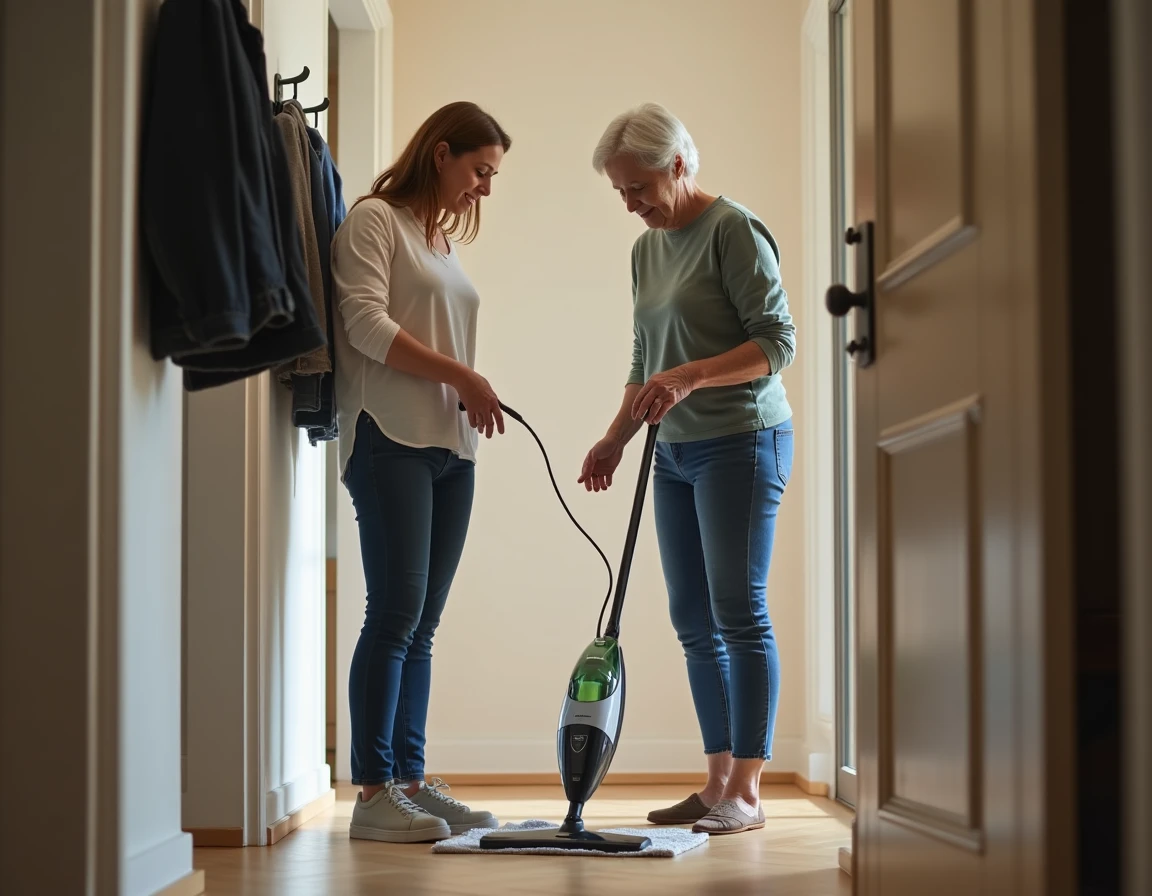
Soleplate and Reservoir: Visible Signs of Wear on a Second-Hand Steam Mop
The soleplate of the steam mop endures most of the mechanical wear. On a regularly used Silvercrest, we sometimes observe deep scratches or limescale residues embedded in the diffusion holes. These deposits reduce steam flow and create poorly cleaned areas on the floor.
We inspect each hole in the soleplate by turning it over under good light. A hole blocked by limescale does not always clear, especially if the previous owner never descaled the device.
The reservoir also deserves attention. We fill it with clear water and observe its transparency. A yellowed reservoir or one with significant limescale deposits inside indicates neglected maintenance. The device may still work for a few months, but the heating element is likely to fail prematurely.
The First Steam Test
When we turn on the device for the first time in front of the seller, the steam should come out evenly across the entire surface of the soleplate. If it only comes out from one side or intermittently, the internal circuit is partially blocked. This type of failure is not easily repaired on an entry-level device.
A well-maintained second-hand Silvercrest steam mop remains a reasonable purchase for regular household use. The difference between a good and a bad deal lies in these concrete checks, which can be done in a few minutes on-site, provided we do not settle for a simple “it turns on, so it works.”