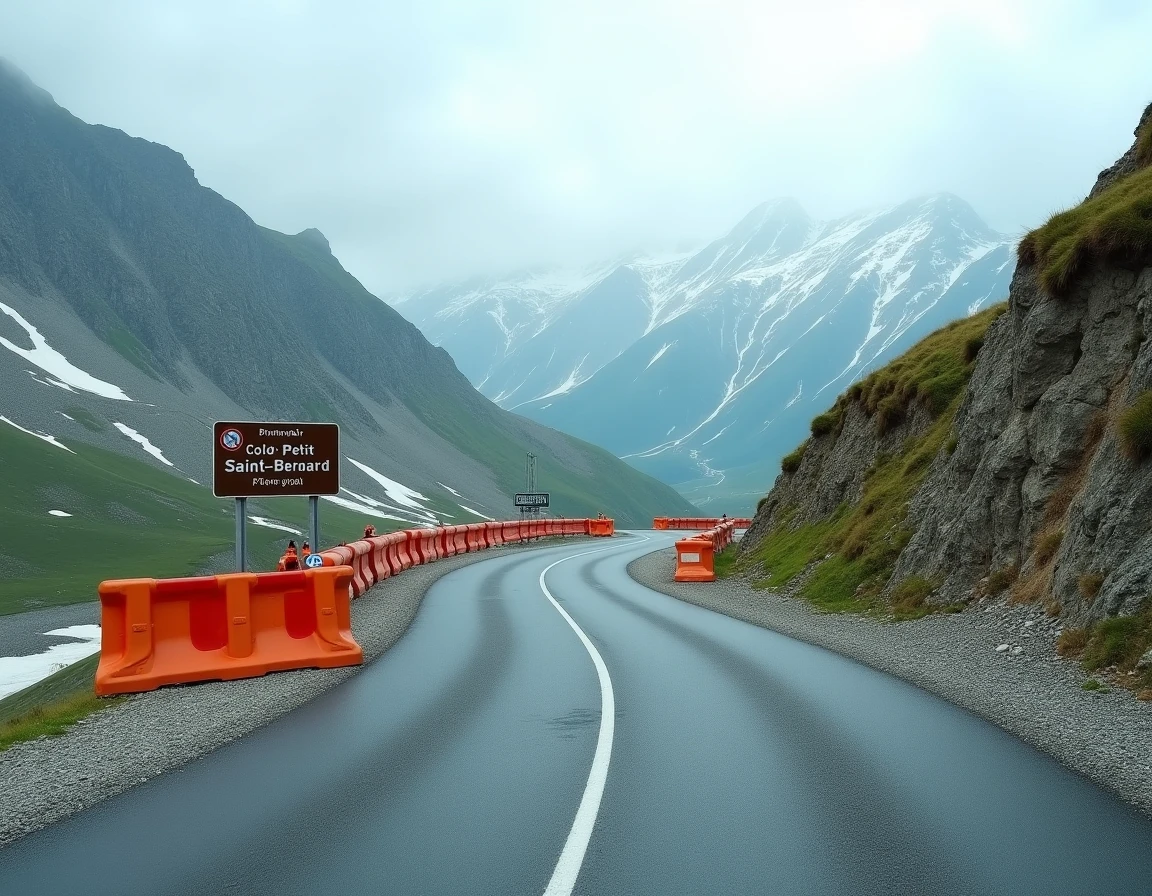
When preparing for a road trip to Aosta Valley or returning from Italy via Tarentaise, the Petit Saint-Bernard pass is the first crossing to check. At 2,188 m above sea level, its opening window depends each year on residual snow cover, road conditions, and ongoing construction projects. For 2026, the schedule appears clearer than in 2024-2025, but several factors warrant attention before loading the car.
Stabilization Works 2024-2025: What Has Changed on the Pass Road
The road to the Petit Saint-Bernard pass underwent significant interventions between late 2024 and spring 2025. Slope stabilization, reinforcement of retaining walls, and road resurfacing: technical services acted under the pressure of an unambiguous diagnosis. According to the teams in charge of the project, delaying this work risked losing the road.
These early closures disrupted two consecutive seasons, with prolonged interruptions complicating access from the French side. For regular users and tourism professionals in Haute-Tarentaise, the situation created real uncertainty. You can now find out everything about the opening of the Petit Saint-Bernard pass in 2026 with a schedule that should return to a more typical rhythm for a pass at this altitude.
The tangible result of this work is a reinforced roadway on the sections most exposed to landslides. Feedback varies on the quality of some finishes on the edges, but the supporting structure has been thoroughly reinforced.
Projected Opening Date of the Petit Saint-Bernard Pass in 2026
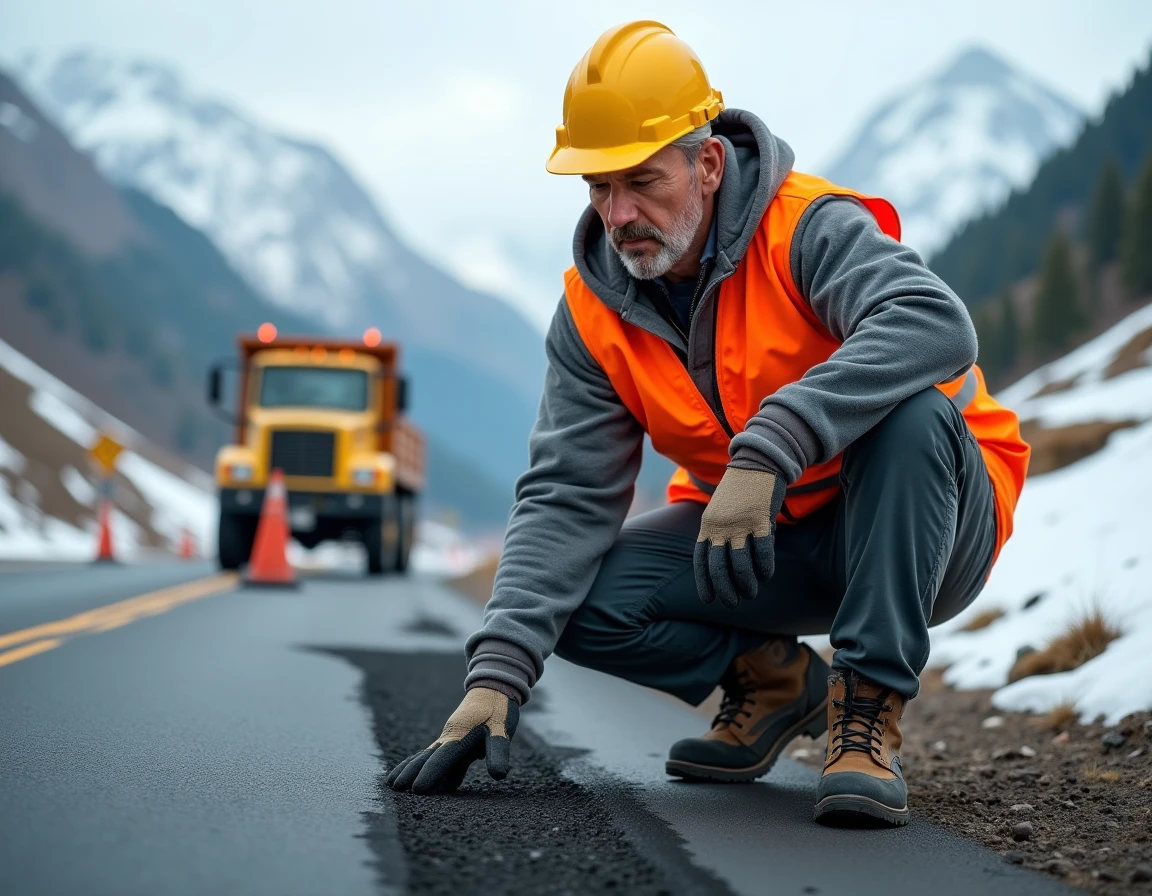
The date announced by local authorities is May 22, 2026, for the projected opening. This schedule remains dependent on the weather conditions in the weeks prior: a late snowfall or prolonged frost can delay the opening by a few days.
May 24, 2026, has also been mentioned as the effective date for the first vehicles to pass. The discrepancy is explained by the time needed to secure the last sections after mechanical snow removal.
For those planning to cross in early June, the pass is generally stabilized during this period. The roadway is clear, but the shoulders may still have residual snowdrifts above 2,000 m. Bring sunglasses and keep in mind that the road may temporarily close in case of a late snowfall, even after the official opening.
Pass Capacity Against Traffic Diversion from the Mont-Blanc Tunnel
This is the question that no one asks early enough in the season. The Mont-Blanc tunnel, with its maintenance periods and recurring traffic jams, pushes some traffic towards neighboring passes. The Petit Saint-Bernard then finds itself on the front line.
The road on the French side is a mountain departmental road. It features a single lane in each direction, without emergency stopping areas, with tight turns between Séez and the summit. Absorbing a massive flow of heavy trucks or camper vans is not in the DNA of this route.
On the Italian side, the descent towards La Thuile offers a comparable profile: narrow, winding, with sections where two wide vehicles struggle to pass each other. In the event of a prolonged closure of the Mont-Blanc tunnel, TCS traffic forecasts show that the pressure is distributed across several diversion routes, including the San Bernardino on the Swiss side. The Petit Saint-Bernard captures a share of this diversion, but its road geometry imposes a natural ceiling.
What This Means for the Tourist Experience
An influx of utility vehicles transforms the atmosphere of the pass. The parking areas at the summit (hospice, alpine garden) are sized for moderate tourist use. When transit traffic intensifies, the tranquility that attracts visitors to the pass is lost.
For cyclists climbing from Bourg-Saint-Maurice, cohabitation with heavy trucks significantly degrades safety. The sections without visibility above La Rosière then become real points of tension.
Alternative Routes to the Petit Saint-Bernard Pass in 2026
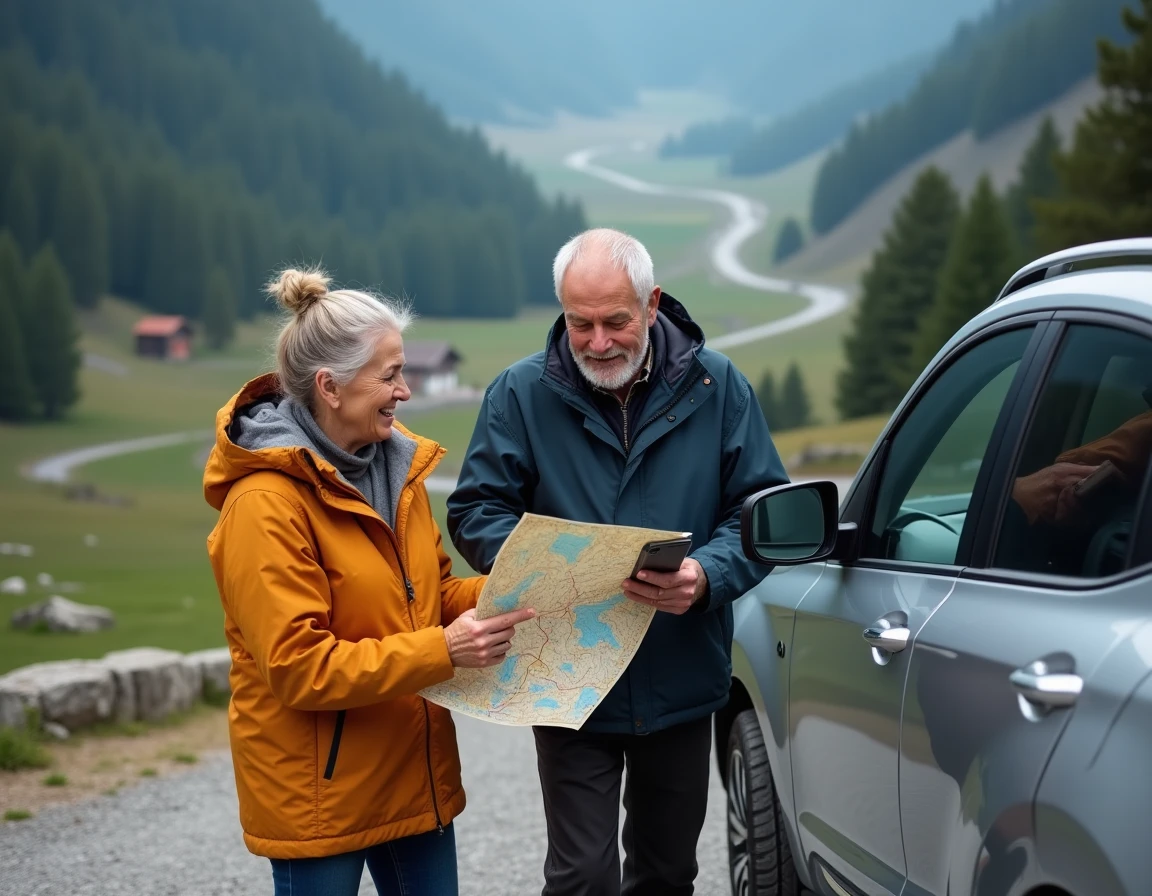
If the pass is closed or overloaded, several options exist to reach Italy from Savoie or vice versa. Each has its own constraints.
- The Mont-Blanc tunnel remains the main route, but one must contend with maintenance periods and wait times that can exceed an hour in high season. Check real-time conditions before committing.
- The Mont-Cenis pass (from Lanslebourg) offers a more southern alternative, with a wide and well-maintained road on the French side. Its summer opening is comparable to that of the Petit Saint-Bernard.
- The Fréjus tunnel, accessible by highway from Maurienne, is suitable for quick trips to Turin but imposes a significant toll.
- The Grand-Saint-Bernard, on the Swiss side, also experiences prolonged closures, sometimes until June, limiting its role as a substitute in spring.
The choice depends on the final destination. For Aosta Valley, the Petit Saint-Bernard remains the most direct route from Tarentaise, provided the road is open and traffic is reasonable. For Turin or Piedmont, Maurienne and Fréjus are more logical.
Preparing for Your Passage at the Petit Saint-Bernard Pass: Concrete Points of Caution
Before heading up, a few practical reflexes can save time and avoid unpleasant surprises.
- Check the road conditions on the Savoie Department website the day before departure. Temporary closures due to bad weather are not always relayed by GPS.
- Fill up before Bourg-Saint-Maurice: there are no gas stations between Séez and La Thuile on the Italian side.
- Allow for a wide time margin if passing during a holiday weekend (Ascension, Pentecost). The pass attracts motorcyclists, cyclists, and tourists at the same time, and turnaround areas are rare.
The autumn closure generally occurs between mid-October and early November, depending on snow cover. For 2026, no date has yet been communicated, but the usual pattern places the last week of October as a reliable benchmark.
The Petit Saint-Bernard pass will return to a normalized schedule in 2026 after two seasons disrupted by construction work. Its capacity to absorb diverted traffic remains limited by the road’s geometry, and it is precisely this constraint that preserves its alpine character. Passing through here means accepting the rhythm of the mountain, not that of the highway.