In spring, nature awakens, and with it, the bird nesting season is in full swing. Unfortunately, this period also sees an increase in the number of young birds found outside their nests, appearing lost or abandoned. In light of this situation, it is essential to know how to identify a chick that is truly in distress and the measures to take to help it without causing harm. Well-intentioned but misinformed actions can indeed compromise its chances of survival or its return to the wild. One must equip themselves with precise knowledge about the care to provide for these vulnerable little beings.
Identifying a Young Bird in Distress and Assessing the Situation
Careful observation and understanding of bird behavior are essential to recognize a chick that truly needs external help. Human intervention is not always the appropriate solution for an injured bird or a chick found on the ground. Before deciding to care for the animal, it is important to determine whether it is in danger or if it is simply going through a normal stage of its development, such as learning to fly.
A thorough observation is therefore required before taking any action. If the bird shows clear signs of distress, such as an inability to move, the presence of blood, or attacks by predators, it is evident that its condition requires intervention. On the other hand, a chick that is hopping, albeit imperfectly, and is capable of making sounds is likely in the process of emancipation and under the watchful eye of its parents.
Wild animals, by nature, should remain in their natural environment as much as possible. Before deciding to take in a young bird, ensure that its parents are not nearby. They may be searching for food or deterred from approaching by your presence. Keep a respectful distance and observe if the adults return to care for their offspring.
If it is confirmed that the chick is orphaned or injured, the advice from pet owners and recommendations from experts become crucial. Contact specialized organizations such as the League for the Protection of Birds (LPO) or a veterinarian to receive specific instructions for the situation. These professionals will provide informed advice to ensure the bird’s well-being and avoid any further disturbance.
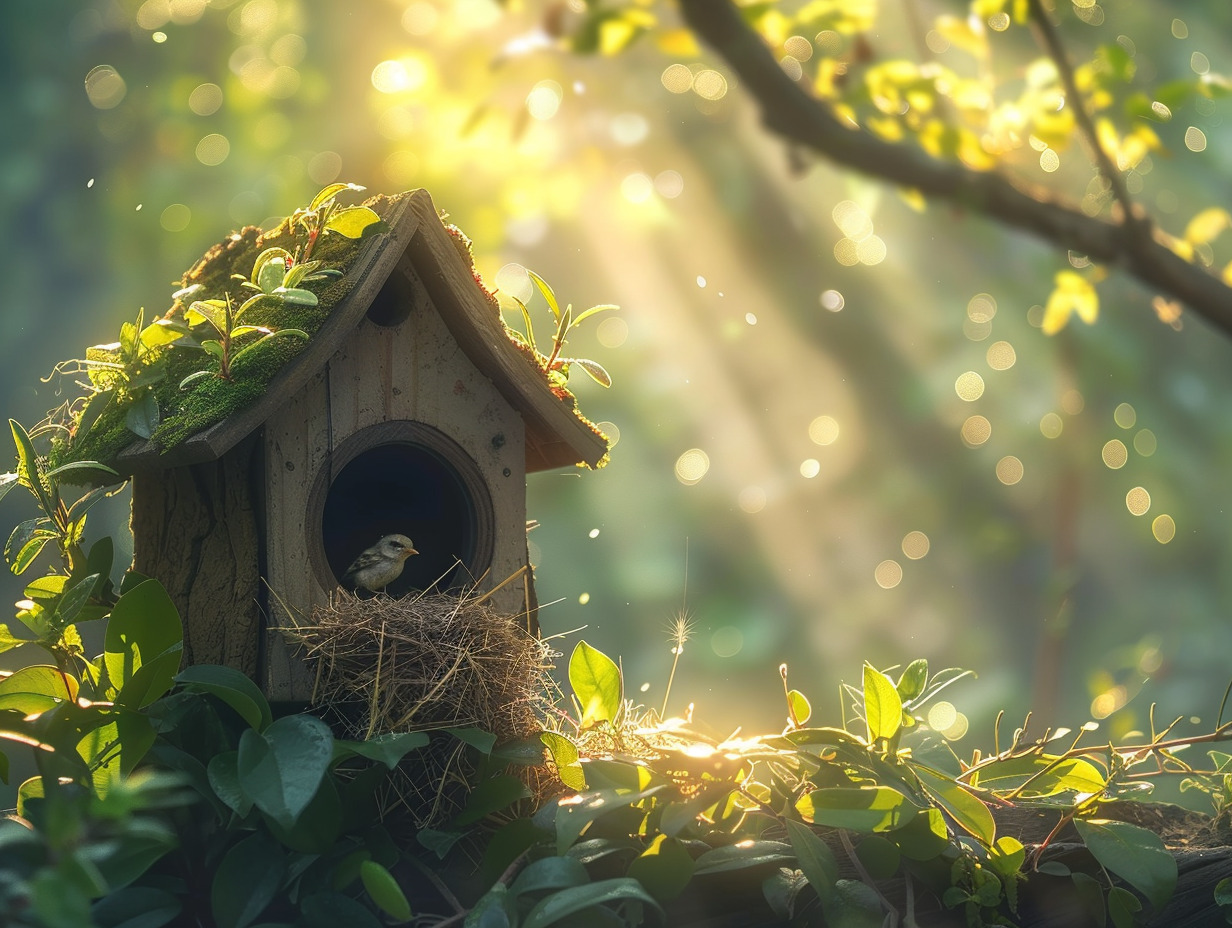
Steps to Follow to Help a Lost or Injured Young Bird
Engaging in the rescue of a bird requires method and caution. When you find a bird in distress, the first step is to ensure the safety of the animal and yourself. Use gloves to avoid direct contact and protect the animal by placing it in a ventilated box, sheltered from the elements and predators.
Communication with professionals is a crucial step. Immediately contact the League for the Protection of Birds or a veterinarian. These experts, with avian knowledge, will guide you through the procedures to follow, whether for emergency care or longer-term management.
Be vigilant about the dissemination of information. By sharing knowledge and proven rescue practices, you contribute to the formation of a network of aware and active citizens in the preservation of biodiversity. Social media, forums dedicated to pet owners, and educational platforms are effective channels for this sharing.
Engaging in an animal protection association or volunteering provides a structured framework to contribute to avian well-being. These organizations allow for the channeling of solidarity and transform individual actions into a collective dynamic. Associations provide training, support, and necessary materials to undertake appropriate and respectful rescue actions for wildlife.