Storing furniture in an unheated garage is not quite playing Russian roulette, but it’s close. Many homeowners underestimate the ability of cold and humidity to turn a china cabinet into a battlefield and a wardrobe into a makeshift shelter for mold. However, protecting your furniture in such an exposed space is not insurmountable if you know how to avoid the most common pitfalls.
The often underestimated risks of an unheated garage for your furniture
In an unheated garage, your furniture shares its daily life with tough adversaries. Humidity reigns supreme, temperatures fluctuate alarmingly, while intruders like rodents or insects can easily make themselves at home. All materials, from wood to leather, fabric to plywood, suffer from these assaults. Swellings, mold, sneaky cracks, or delaminations: every nook can end up marked by these attacks.
The condition of the floor also weighs heavily in the balance. Direct contact with concrete facilitates the appearance of damp stains, even deformations. And thermal cycles spare nothing: wood contracts, expands, sometimes cracks or warps. Meanwhile, finishes dull, and joints may gradually loosen.
A piece of furniture forgotten in a dark corner can also serve as a refuge for unexpected inhabitants, hiding behind fabric, under a box, or in the hollow of a shelf. To protect your furniture in a garage, it takes much more than just resisting the cold: every threat must be anticipated, whether it’s persistent humidity or the stealth of pests.
Which furniture withstands the best and which requires special attention?
When it comes to durability, not all furniture is created equal. Solid wood holds up well, even when exposed to slight variations in humidity or temperature. But beware of cracks and warping that can appear if the environment becomes unstable, especially without proper protection. Getting into the habit of elevating pieces on blocks and ensuring good air circulation remains a worthwhile precaution.
Panel-based furniture, whether particleboard or plywood, has no armor: their structure easily absorbs moisture, warps, and their finishes quickly deteriorate. It’s better to limit their prolonged stay in these spaces.
Items and materials to watch closely
Some items require particular vigilance in an unheated garage. Take a close look at the following list:
- Textiles and papers: curtains, clothing, archives, and books absorb moisture like sponges. The result: risks of mold and infestations.
- Appliances: they do not tolerate storage lightly. Be sure to clean everything, dry it, and leave the doors ajar. A light layer of talcum powder on the seals prevents unpleasant odors and mold.
- Boxes: prefer thick models, like double-walled types. Smaller sizes stack without deforming, and each well-labeled content makes life easier.
As for metal, cabinets and workshop furniture fare better, but rust can quickly set in if the space lacks ventilation. Glass and ceramics handle climatic variations better, except for shocks or stagnant humidity that weaken them.
A selective sorting based on the nature of the furniture helps limit unpleasant surprises and adjust protection as needed, ensuring you find your belongings in the same condition as when you stored them.
Simple and effective solutions to preserve your furniture all year round
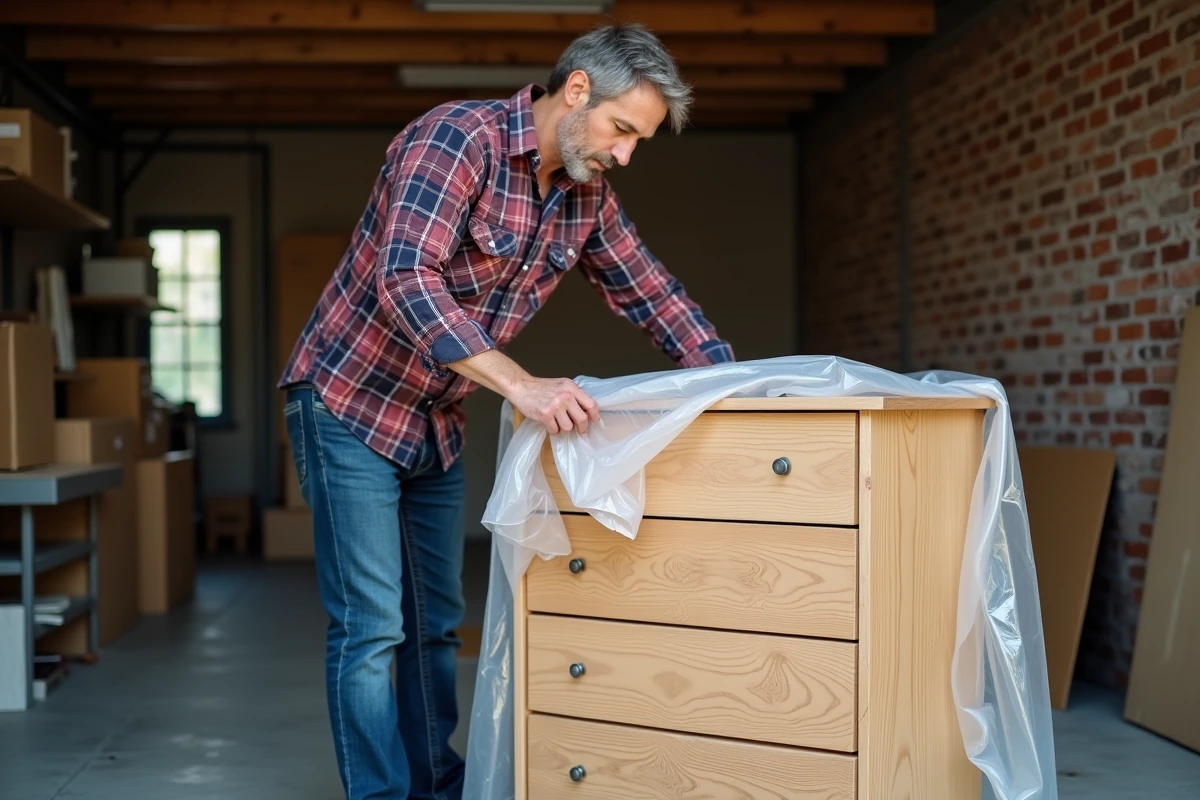
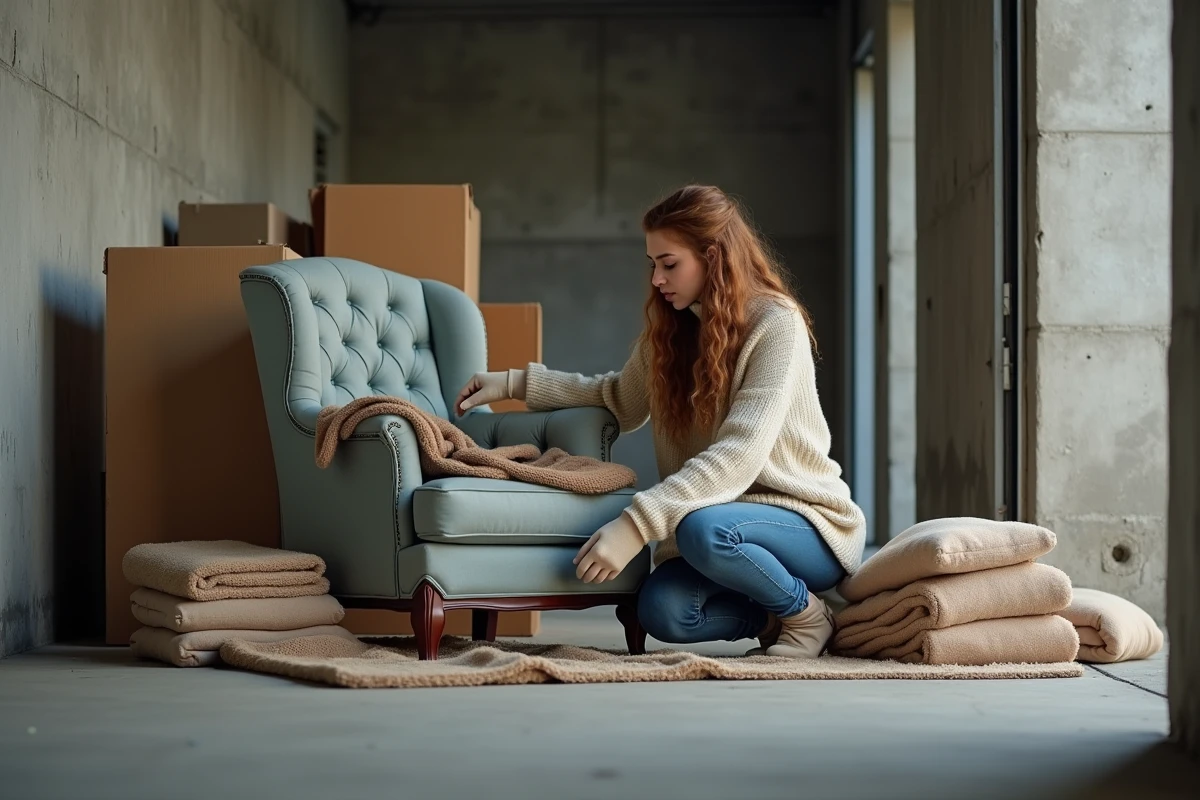
Before any storage, give each piece of furniture a good cleaning. A clean piece of furniture withstands the test of time better and limits the establishment of mold or pests. For long-term protection, opt for breathable covers or thick blankets that allow air circulation while cushioning any potential impacts. Avoid plastic tarps, as moisture accumulates underneath and ultimately attacks what you are trying to preserve.
Some items, more fragile or sentimental, deserve special wrapping: bubble wrap takes care of dishes, frames, or mirrors. Avoid overly large boxes: a medium-sized double-walled format, clearly marked, simplifies logistics and ensures a certain sturdiness.
Fighting humidity also requires a few simple gestures. Place absorbers in various locations, open the garage whenever possible to refresh the air, and always elevate furniture using blocks or pallets. Leaving a piece of furniture in contact with the ground means risking moisture gradually destroying it.
Also, consider cataloging your belongings: a neat inventory and clear labeling limit handling, protect fragile items, and make your next searches much quicker. If valuable items are lying dormant in the garage, a sturdy padlock or a simple alarm can be enough to keep intruders at bay. A quick surveillance round from time to time secures everything, and a suitable insurance policy completes this setup for peace of mind.
Even in an unheated garage, nothing is lost for your furniture. A bit of method, some suitable tools, and regular attention are all it takes to get through winter, and all seasons, without your furniture bearing the scars. The pleasure of finding an intact piece of furniture, ready to serve again, is priceless.