
A home sports coach is a qualified sports educator who designs and supervises personalized training sessions directly at the client’s location. This format eliminates the need to travel to a gym and allows for monitoring tailored to the person’s real environment, available equipment, physical constraints, and schedule.
Professional card and insurance: the two documents to check before any session
French regulations require that any paid sports educator be registered with the competent administrative authority. The Sports Code (articles L212-11 and following) also mandates a professional liability insurance, under penalty of sanctions.
Before signing anything, ask for two documents: the professional card number (verifiable on the Ministry of Sports website) and an up-to-date proof of insurance. These documents ensure that the coach holds a state-recognized diploma and is covered in case of an incident during a session at your home.
A coach who refuses or delays presenting these documents should be dismissed. This simple reflex protects both your health and your liability as the occupant of the training location. The news and resources published on the Mon Coach A Domicile website regularly detail these legal obligations and best practices for clients.
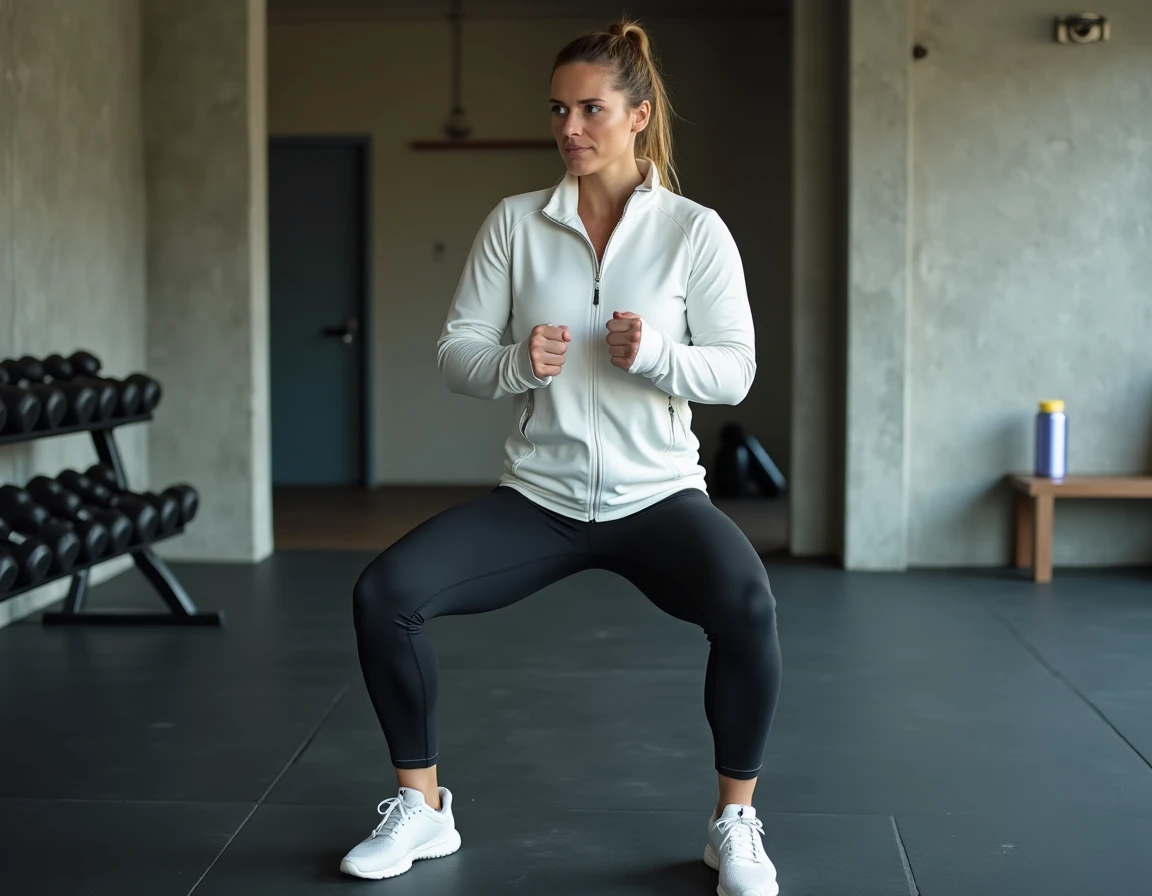
Qualifications and specializations of the home sports coach: what enhances the quality of support
Several diplomas allow for the legal practice of sports coaching in France. The most common are the BPJEPS (Professional Certificate of Youth, Popular Education, and Sport), the DEUST in fitness professions, and the STAPS degree. Each covers a different scope.
The BPJEPS with a specialization in “fitness activities” is the most widespread among home coaches. It validates skills in training programming, functional anatomy, and pedagogy. However, a diploma alone is not enough to guarantee the relevance of the support provided.
Specialization makes the difference
A coach trained in adapted physical activity (APA) can take care of specific populations: overweight individuals, seniors, patients referred by a doctor as part of prescribed exercise. In recent years, the trend towards the medicalization of home coaching has intensified, with coaches integrated into local health networks (health houses, rehabilitation centers).
Ask the question directly: does the coach have experience working with health professionals? Does he accept patients referred by a doctor or physiotherapist? A coach connected to a health network offers more secure support, especially for profiles with chronic pathologies or joint limitations.
Fitness goals and methodology: how to assess a coach’s rigor
The first meeting with a home sports coach reveals a lot about his working method. A structured professional begins with a comprehensive assessment before proposing any exercises. This assessment covers several dimensions:
- The sports and medical history, including past injuries, potential pathologies, and ongoing treatments that could influence physical effort.
- The client’s concrete goals (weight loss, strength gain, preparation for an event, maintenance of mobility), formulated in measurable terms rather than vague.
- The actual logistical constraints: available space at your home, existing equipment, time slots, presence of children or neighbors sensitive to noise.
A coach who proposes a program from the very first message, without having asked these questions, is likely applying a generic model. Personalization starts with listening, not with exercise.
Monitoring and adjustments over time
The quality of home coaching is measured over time. A good coach regularly reassesses loads, training volumes, and goals. He does not simply repeat the same sessions week after week.
Ask how he structures progression: does he use periodization (alternation of intensity and recovery phases)? Does he propose fitness tests at regular intervals to measure progress? These elements distinguish professional support from mere sports entertainment.

Home coaching rates and practical modalities to clarify
Rates vary significantly depending on the city, the coach’s experience, and the chosen format (single session, package, monthly subscription). Rather than comparing only the price per session, examine what is included:
- Is the initial assessment charged separately or included in the first appointment?
- Does the coach provide a written program that can be consulted between sessions, or does the follow-up stop at the door?
- Are travel expenses included in the quoted rate or added as a supplement?
- What is the cancellation policy (notice period, rescheduling, refund)?
A low rate without a program or follow-up between sessions ultimately costs more than a slightly above-market structured support. Home coaching may qualify for a tax credit under personal services, provided that the coach operates through an approved organization or as a declared direct employee.
One last often-overlooked point: relational compatibility. You will spend time alone with this person in your private space. Punctuality, respect for your pace, and the ability to adapt the tone (encouragement without infantilization) matter as much as the CV. Plan for one or two trial sessions before committing to a package, and trust what you feel after the effort as much as what the coach promises beforehand.